
WiFi Smart CO Gas Sensor Carbon Monoxide Leakage Fire Security Detector, with US Plug - $41.99
Retail Price: $58.79
You Save: $16.80

Selecting the perfect home automation hub can transform your living space into a smart haven, enhancing convenience and efficiency. With the market flooded with options, it’s crucial to understand the key features, benefits, and considerations to make an informed decision. This guide aims to demystify the world of home automation hubs, providing insights into what makes a standout choice.

Understanding Home Automation Hubs
At its core, a home automation hub acts as the central nervous system of your smart home ecosystem, facilitating communication between various smart devices. These devices range from lights and thermostats to security systems and entertainment centers. The hub enables seamless integration, allowing you to control all your smart devices through a single interface, either through a mobile app or voice commands.
Key Features to Look For
- Compatibility: Ensure the hub supports the smart devices you plan to use. Major ecosystems include Google Home, Amazon Alexa, and Apple HomeKit, each with its own set of compatible devices.
- Connectivity Options: Different hubs offer connectivity via Wi-Fi, Bluetooth, or proprietary technologies like Zigbee and Z-Wave. Choose a hub that provides stable connections for your devices, minimizing latency and ensuring reliability.
- Ease of Use: A user-friendly interface simplifies the setup and management of your smart devices. Look for hubs that allow easy grouping of devices, creation of automations, and integration with popular voice assistants.
- Security: Given the increasing number of smart devices capable of accessing your home network, security is paramount. Select a hub that prioritizes data encryption and regular firmware updates to protect against vulnerabilities.
Practical Examples and Recommendations
- Philips Hue Bridge: Ideal for those looking to automate lighting, the Philips Hue Bridge supports a wide range of smart bulbs and light fixtures, offering color customization and scheduling capabilities.
- Amazon Echo Dot (4th Gen): As a smart speaker, the Echo Dot integrates seamlessly with Alexa, supporting thousands of skills and acting as a hub for controlling other smart devices.
- Apple HomePod Mini: For Apple users, the HomePod Mini serves as an excellent hub, leveraging Siri for voice commands and integrating seamlessly with other Apple devices.
Setting Up Your Smart Home
Once you’ve selected your hub, the next steps involve setting up your smart devices and integrating them into your chosen ecosystem. This process typically involves downloading the manufacturer’s app, connecting the device to your Wi-Fi network, and linking it to your hub. Following a consistent naming convention for your devices enhances the effectiveness of voice commands and simplifies device management.
Conclusion
Choosing the right home automation hub is a critical first step in building a smart home. By considering compatibility, connectivity options, ease of use, and security, you can select a hub that meets your needs and enhances your living space. Whether you’re a tech enthusiast or a beginner, embracing home automation can significantly improve your daily life, offering convenience, energy savings, and peace of mind.

Tuya Smart Camera Outdoor Solar Camera HD 1080P Network Two-way Audio IP65 Wiring Free - $105.99
Retail Price: $148.39
You Save: $42.40
Understanding Home Automation Hubs
In the rapidly advancing world of technology, the idea of smart homes has captured the imagination of many. Central to this vision is the home automation hub, often described as the brain of the smart home. It serves as the primary control unit, seamlessly integrating and managing a wide array of smart devices. This section aims to illuminate the key characteristics and distinctions among the top-rated home automation hubs, providing you with the insights necessary to select the one that aligns perfectly with your smart home goals.
Key Features of Home Automation Hubs
Home automation hubs are designed to simplify the process of setting up and controlling smart devices within your home. They offer a centralized platform from which you can manage lights, thermostats, security systems, and much more, all through a single interface. Here are some essential features to consider when evaluating home automation hubs:
- Compatibility: The ability to connect with a broad range of smart devices is crucial. Look for hubs that support popular protocols such as Zigbee, Z-Wave, Wi-Fi, and Bluetooth.
- Ease of Use: A good home automation hub should be user-friendly, offering intuitive apps and voice control compatibility (e.g., Amazon Alexa, Google Assistant).
- Scalability: As you add more smart devices to your home, your hub should be able to scale without compromising performance or requiring significant upgrades.
- Security: Given the sensitive nature of the data these devices handle, robust security measures are paramount to protect against unauthorized access.
Comparing Top Home Automation Hubs
When selecting a home automation hub, it’s essential to compare options based on the above features. Some of the leading contenders include:
- Amazon Echo Home Hub: Integrates seamlessly with Alexa, offering extensive device compatibility and a user-friendly interface.
- Google Nest Hub Max: Known for its superior video calling capabilities and integration with Google’s vast ecosystem of smart devices.
- Apple HomeKit: While not a physical hub, Apple’s ecosystem offers seamless integration with iOS devices, making it a favorite among Apple users.
Practical Example: Setting Up Your Smart Home
To illustrate how a home automation hub works, let’s consider a simple setup scenario. Imagine you’ve decided to automate your lighting system. After choosing a compatible hub and installing it, you would proceed to add your smart bulbs to the hub’s network. Once connected, you could adjust the brightness, color, and schedule of your lights directly from the hub’s app, creating a personalized ambiance that adjusts to your preferences automatically.
Conclusion
Choosing the right home automation hub is a critical step towards building a smart home. By understanding the key features and comparing the top options, you can find a hub that fits your lifestyle and enhances your living space with intelligence and convenience. Remember, the best hub for you depends on your specific needs, the devices you plan to use, and your personal preferences for control and interaction.
It seems there was no initial text provided for revision. Could you please share the specific section of the article about “Best Home Automation Hub” that you’d like me to improve?
Choosing the Right Home Automation Hub
Selecting the perfect home automation hub can transform your living space into a smart haven. Here’s what you need to consider to make an informed decision:
Compatibility
First off, ensure your hub plays nice with your current smart gadgets and anything else you plan to add down the line. This means looking for hubs that offer wide-ranging compatibility, so you don’t find yourself stuck with devices that won’t talk to each other.
Protocol Support
Different smart devices use different communication protocols. Zigbee, Z-Wave, and Wi-Fi are among the most common. A versatile hub supports multiple protocols, allowing you to mix and match devices from various manufacturers without leaving anyone out in the cold.
Ecosystem Integration
Integration with major voice assistants and smart home ecosystems is key. Whether you’re team Alexa, Google Assistant, or Apple HomeKit, having a hub that fits seamlessly into your preferred ecosystem ensures you can control all your smart devices with a simple voice command or tap on your phone.
Customization and Automation Capabilities
The best home automation hubs let you tailor your smart home experience to your liking. Look for features that allow you to set up custom automation rules and scenes. For example, you could program your lights to turn on when you say “Good morning” or have your thermostat adjust automatically based on the time of day.
User Interface and Experience
Last but certainly not least, the ease of use matters. A well-designed app or interface makes controlling your smart home a breeze. It should be intuitive enough that even your tech-savvy grandma can figure it out. Plus, regular updates and customer support are pluses that ensure your hub stays relevant and helps when you hit a snag.
By focusing on these key areas—compatibility, protocol support, ecosystem integration, customization capabilities, and user experience—you’ll be well on your way to finding the ideal home automation hub that fits both your lifestyle and your smart home dreams.
It seems there was no text provided for revision. Could you please share the specific section of the article about “Best Home Automation Hub” that you’d like me to improve?
Best Home Automation Hubs: A Comprehensive Guide
Best Overall: Compatibility and Ecosystem Integration
When selecting the best home automation hub, compatibility with various devices and ecosystems is crucial. The top contender in this category stands out for its impressive list of supported platforms, including Alexa, Google Assistant, IFTTT, Zigbee, and Z-Wave, making it a versatile choice for integrating a wide range of smart home devices. However, it’s worth noting that this hub does not support Apple HomeKit, which might be a deal-breaker for users heavily invested in the Apple ecosystem.
Unique Selling Point: Deep Integration with SmartThings
One of the unique features of this hub is its seamless integration with the SmartThings ecosystem. This integration enables users to create advanced automations and scenes, significantly enhancing the functionality and convenience of their smart homes. For instance, you could set up a scene where your lights dim automatically when you start watching a movie, or have your smart locks unlock when you approach your front door, thanks to the hub’s ability to communicate effectively with other SmartThings-compatible devices.
Consideration: Lack of Apple HomeKit Support
While the lack of Apple HomeKit support is a notable drawback, it’s essential to consider the broader benefits this hub offers. Many users find the extensive compatibility and deep integration within the SmartThings ecosystem to be more valuable than the absence of Apple HomeKit support. However, for those committed to an all-Apple smart home setup, exploring alternatives that fully support HomeKit might be necessary.
In summary, choosing the right home automation hub depends on your specific needs and the devices you already own or plan to purchase. While the discussed hub excels in terms of compatibility and ecosystem integration, particularly with SmartThings, its limitations regarding Apple HomeKit support should be weighed against the potential advantages it offers.
The Ultimate Guide to Choosing Your Best Home Automation Hub
Multi-Protocol Powerhouse: A Versatile Solution
Imagine having a single device capable of communicating with every gadget in your smart home, from lights and thermostats to security cameras and door locks. That’s exactly what a multi-protocol powerhouse offers. This type of hub supports a wide range of communication protocols, including Zigbee, Z-Wave, 433MHz, Infrared, Thread, Wi-Fi, and Bluetooth Low Energy (BLE).
Why It Matters
With so many devices operating on different frequencies and standards, a hub that can speak all these languages ensures seamless integration. For example, if you have a mix of Philips Hue bulbs (Zigbee) and Ring Doorbells (Wi-Fi), a multi-protocol hub allows them to communicate without needing separate bridges or gateways. This compatibility extends to various smart home ecosystems, making it easier to create a unified smart home environment.
Integration and Flexibility: Expanding Your Smart Home Ecosystem
One of the key strengths of a top-tier home automation hub is its ability to integrate with virtually any smart device on the market. Whether it’s connecting to popular smart home platforms like Amazon Alexa, Google Assistant, or Apple HomeKit, or directly integrating with individual device manufacturers, the possibilities are endless.
Practical Example
Let’s say you decide to expand your smart home setup with a new security system. With a hub that supports broad integrations, adding this system doesn’t mean starting from scratch. Instead, you can easily connect it to your existing setup, ensuring all your devices work together seamlessly. This flexibility is crucial for growing your smart home ecosystem over time without facing compatibility issues.
Design and Performance: A Premium Experience
While the primary function of a home automation hub is to facilitate communication between devices, its design and performance play significant roles in enhancing your smart home experience. A sleek, user-friendly interface paired with robust performance ensures that managing your smart home is both enjoyable and efficient.
Understanding the Trade-off
However, achieving such a high level of design and performance often comes at a cost. Premium hubs may carry a higher price tag, reflecting the investment in advanced features and capabilities. But when considering the long-term benefits of a smooth, integrated smart home experience, the initial investment can be well worth it.
Conclusion
Choosing the best home automation hub depends on your specific needs, budget, and the devices you plan to integrate. By focusing on multi-protocol support, integration capabilities, and overall performance, you can find a hub that not only meets your current requirements but also grows with your smart home aspirations. Remember, the right hub is one that speaks the language of all your smart devices, making your home smarter, safer, and more convenient.
Best Home Automation Hubs: A Dive into Integration and Simplicity
Nest Integration Excellence: Bridging Devices with HomeKit
For those deeply embedded in Apple’s ecosystem, integrating Nest devices seamlessly into their smart home setup becomes a priority. The best home automation hubs excel in this area, particularly when it comes to bridging the gap between Nest products and HomeKit. This integration ensures that users can control their Nest thermostats, cameras, and other smart devices directly from the Apple Home app, enhancing convenience and security without the need for additional bridges or complicated setups.
Practical Example: Controlling Your Nest Thermostat with Siri
Imagine waking up to a cozy room temperature set just right by your voice command through Siri. Thanks to excellent integration, your Nest Learning Thermostat adjusts automatically upon hearing “Hey Siri, make it warmer/cooler.” This level of interaction not only simplifies daily routines but also offers a glimpse into the seamless experience that top-tier home automation hubs aim to deliver.
Simplicity and Efficiency: The Core of Smart Home Living
At the heart of choosing the right home automation hub lies the quest for simplicity and efficiency. In the bustling world we live in, having a smart home system that doesn’t complicate our lives but rather enhances them is crucial. The best hubs achieve this balance by focusing on intuitive interfaces and streamlined processes, ensuring that every action—from adjusting lights to setting reminders—is effortless and efficient.
Why Simplicity Matters: An Everyday Scenario
Consider a scenario where you return home late at night. With a hub that prioritizes simplicity, you can turn on your living room lights, unlock your front door, and start brewing coffee all with a single voice command. This isn’t just convenient; it’s the essence of what makes smart homes truly beneficial—saving time, reducing stress, and allowing us to focus on what matters most.
By emphasizing both Nest integration excellence and simplicity and efficiency, the best home automation hubs stand out in the crowded market. They offer users the freedom to enjoy a smart, connected lifestyle without getting bogged down by complexity. Whether you’re deeply invested in Apple’s ecosystem or simply seeking a hassle-free way to automate your home, these hubs represent the future of smart living, blending advanced technology with everyday usability.
Choosing the Perfect Home Automation Hub
Selecting the ideal home automation hub is crucial for creating a seamless smart home environment. This decision hinges on three key factors: compatibility with existing devices, scalability for future additions, and personal preference for ecosystem integration and user experience. Let’s delve deeper into each aspect to help you make an informed choice.
Compatibility: Bridging the Gap
Compatibility is the cornerstone of a cohesive smart home system. It ensures that all your devices, from lights and thermostats to security cameras and speakers, work together seamlessly. When choosing a home automation hub, consider its ability to connect with various protocols such as Zigbee, Z-Wave, Wi-Fi, and Bluetooth. For instance, hubs like Philips Hue Bridge excel in lighting control but may struggle with broader device integration.
Scalability: Future-Proofing Your Smart Home
As technology evolves, so does our need for more connected devices. A scalable home automation hub allows you to grow your smart home ecosystem without starting from scratch. Look for hubs that support a wide array of devices and offer expandable capabilities. Amazon Echo and Google Home, for example, integrate well with many third-party services, making them versatile choices for future expansion.
Ecosystem Integration and User Experience: Personal Touches
Finally, the ease of use and the overall user experience play a significant role in your satisfaction with a home automation hub. Some users prefer ecosystems that offer a unified interface and voice commands, such as Apple HomeKit or Amazon Alexa. Others might value deep integration with specific brands or services, like Nest for thermostat control or Sonos for high-fidelity audio.
Practical Example: A Unified Approach
Imagine you want a smart home that controls lighting, temperature, music, and security through voice commands. A hub like the Samsung SmartThings offers broad compatibility and integrates well with various ecosystems, including Google Assistant and Alexa. This allows you to create a unified command center for your smart devices, enhancing convenience and efficiency.
Conclusion
Choosing the best home automation hub depends on your unique requirements and preferences. By focusing on compatibility, scalability, and user experience, you can select a hub that not only meets your current needs but also adapts to your evolving smart home desires. Remember, the perfect hub is one that fits seamlessly into your lifestyle, making every interaction with your smart home effortless and enjoyable.
Understanding Home Automation Hubs: A Guide for Beginners
Diving into the realm of smart homes can seem daunting, especially when faced with the myriad of options available for home automation hubs. These devices act as the central nervous system of your smart home ecosystem, connecting all your smart devices and allowing them to communicate and work together seamlessly. In this guide, we’ll break down what makes a great home automation hub, focusing on key features, benefits, and how to choose the one that best fits your needs.
What is a Home Automation Hub?
At its core, a home automation hub is a device that enables communication between various smart devices in your home. It acts as a bridge, ensuring that lights, thermostats, security cameras, and even your voice-controlled assistants can interact and respond to commands from a single source. This integration simplifies control over your smart home, making it more efficient and convenient.
Why Choose a Home Automation Hub?
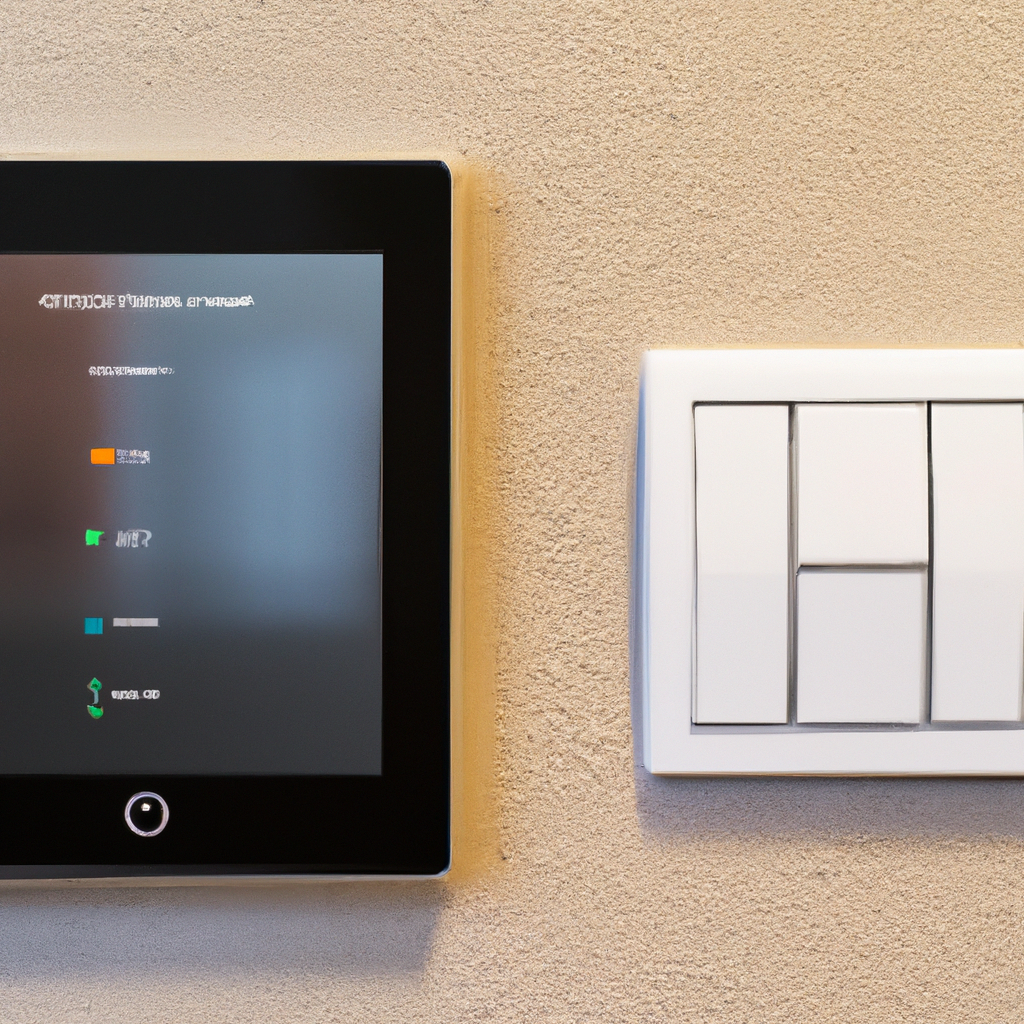
Efficiency and Convenience: With a hub, you can manage all your smart devices through a single interface, whether it’s a smartphone app or a dedicated touchscreen panel. This eliminates the need to juggle multiple apps and remotes, streamlining your daily routines.
Scalability: As you add more smart devices to your home, a hub ensures that they can be easily integrated without the need for additional controllers. This scalability is crucial for growing your smart home ecosystem over time.
Compatibility: Top home automation hubs support a wide range of smart devices, regardless of brand or protocol. This means you can mix and match devices from different manufacturers, creating a truly personalized smart home environment.
How to Select the Right Home Automation Hub
Choosing the right hub involves considering several factors:
- Device Compatibility: Ensure the hub supports the brands and types of smart devices you plan to use or already own.
- Ease of Use: Look for a hub with an intuitive interface and robust customer support. The easier it is to set up and use, the better your experience will be.
- Range and Connectivity: Consider the hub’s wireless capabilities. For large homes, a hub with extensive range and reliable connectivity is essential.
- Integration Capabilities: Some hubs offer advanced features like voice control, video streaming, and energy monitoring. Depending on your needs, these could be deal-breakers.
Practical Example: Setting Up Your Smart Home
Imagine you’ve chosen a popular home automation hub known for its compatibility and ease of use. After unboxing, you connect it to your Wi-Fi network and download the companion app on your smartphone. Within minutes, you’ve successfully added your smart bulbs, thermostat, and security camera to the hub’s network. Now, with just a few taps on your phone, you can adjust the lighting, check the temperature, and monitor your home’s security—all from one place. This seamless integration and control are what make home automation hubs indispensable for modern homeowners.
By understanding the role of home automation hubs and how to select the right one, you’re well on your way to transforming your home into a smart, connected haven. Remember, the journey to a smarter home begins with choosing the right hub—a decision that will serve as the foundation for all your future smart home endeavors.