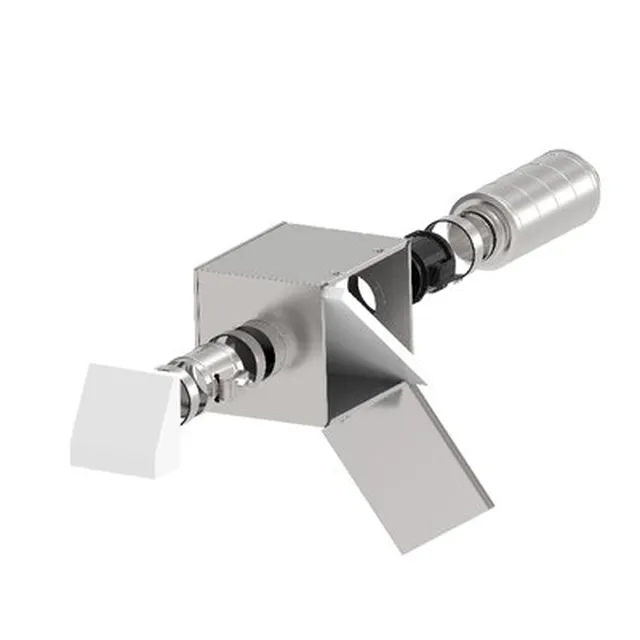
The Challenge of Kitchen Exhaust
When you cook, especially in a well-sealed modern home, powerful exhaust fans in your kitchen work hard to remove steam, odors, and airborne grease. However, these fans create a vacuum, pulling fresh air into the kitchen from wherever it can find an entry point. This can lead to several issues, including backdrafting, where combustion gases from fireplaces or furnaces are pulled back into the living spaces instead of being safely expelled outdoors. Additionally, the quality of air entering your kitchen can vary widely, potentially introducing pollutants into your home.
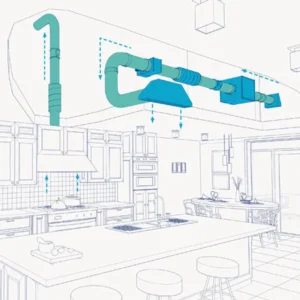
The Solution: Makeup Air Systems
To address these challenges, smart makeup air systems were developed. These systems introduce fresh, filtered air into your kitchen at the same rate as the exhaust fan removes old air. This ensures that your kitchen remains pressurized and prevents backdrafting, while also maintaining good indoor air quality.
Types of Makeup Air Systems
There are two main types of makeup air systems: passive and active.
Passive Makeup Air System
A passive system relies on the negative pressure created by the exhaust fan to draw in fresh air through a duct connected to the outdoors. This duct typically includes a damper that opens when the exhaust fan is on and closes when it’s off. The challenge with passive systems lies in managing where and how the fresh air enters the kitchen, which requires careful planning and design.
Active Makeup Air System
An active system, on the other hand, uses its own dedicated blower to push fresh air into the kitchen. This approach offers greater control over the airflow and is generally considered more reliable and effective, especially in homes with large exhaust fans or multiple exhaust points.
Choosing the Right System
The choice between a passive and active system depends on several factors, including the size of your kitchen, the power of your exhaust fan, and your home’s overall ventilation strategy. Some homeowners opt for a combination of both systems to achieve optimal results.
Benefits of Smart Makeup Air Systems
Implementing a smart makeup air system brings several benefits:
- Prevents Backdrafting: By ensuring that fresh air is continuously introduced into the kitchen, these systems prevent the dangerous phenomenon of backdrafting.
- Improves Indoor Air Quality: By filtering incoming air, makeup air systems help maintain higher indoor air quality, reducing exposure to pollutants.
- Enhances Comfort: Properly balanced air pressure in the kitchen reduces drafts and improves comfort during cooking.
Practical Considerations
While smart makeup air systems offer significant advantages, they also come with considerations regarding cost, installation complexity, and maintenance. It’s important to consult with a professional to determine the best solution for your specific situation.
Conclusion
Smart makeup air systems represent a sophisticated approach to addressing the challenges posed by kitchen exhaust in modern homes. By understanding the options available and consulting with professionals, homeowners can enhance their kitchen’s functionality, safety, and comfort.
The Evolution of Kitchen Ventilation: Introducing Smart Makeup Air Systems
In the heart of our homes, the kitchen serves as more than just a place for cooking; it’s a hub of activity, creativity, and sometimes, a battleground against smoky air and persistent odors. Traditional methods of combating these issues have relied heavily on powerful exhaust fans. However, the landscape of kitchen ventilation is evolving, introducing innovative solutions that promise not only to eliminate unwanted smells but also to improve overall indoor air quality and efficiency. At the forefront of this revolution are smart makeup air systems, designed to balance residential kitchen exhaust effectively.
Understanding the Challenge: Kitchen Exhaust and Its Impact
Before diving into the specifics of smart makeup air systems, it’s essential to grasp the challenge they aim to address. Kitchens, being the center of culinary adventures, generate a significant amount of steam, smoke, and odorous particles. Without proper ventilation, these pollutants can accumulate, leading to poor indoor air quality. This not only affects the comfort and health of inhabitants but can also pose risks such as carbon monoxide poisoning from unvented appliances.
The Role of Exhaust Fans: Past Solutions, Present Limitations
Historically, the go-to solution for kitchen ventilation has been exhaust fans. These devices work by drawing out polluted air from the kitchen, thereby reducing levels of smoke, moisture, and odors. While effective to a certain extent, traditional exhaust fans often fall short in maintaining optimal indoor air quality due to their limited capacity to replace the air they remove. This imbalance can lead to stuffy environments and increased energy consumption, as windows are left open to compensate for the lack of fresh air.
Enter Smart Makeup Air Systems: A New Paradigm
Smart makeup air systems represent a paradigm shift in kitchen ventilation. Unlike conventional exhaust fans, these systems not only remove stale air but also actively introduce fresh air into the kitchen. This dual functionality ensures that the kitchen remains well-ventilated without sacrificing comfort or energy efficiency. By precisely controlling the flow of outdoor air, these systems help maintain a balanced indoor environment, free from the negative effects of excessive humidity, smoke, and odors.
How Do They Work?
At the core of smart makeup air systems is advanced sensor technology that monitors indoor air quality in real-time. Based on this data, the system automatically adjusts the intake of fresh air to match the volume of exhausted air. This dynamic response helps prevent over-ventilation, which can lead to discomfort and higher energy costs. Additionally, many models come equipped with filters that capture particulate matter, further enhancing air purity.
Practical Benefits and Considerations
For homeowners, the benefits of smart makeup air systems extend beyond improved air quality. These systems can contribute to a more pleasant living experience by eliminating odors and reducing condensation. Moreover, by optimizing airflow, they can lower energy bills associated with heating or cooling the home to compensate for poor ventilation. For professionals, integrating smart makeup air systems into kitchen designs offers a competitive edge, providing clients with state-of-the-art ventilation solutions that enhance both aesthetics and functionality.
Conclusion
As we move forward, the importance of indoor air quality continues to gain recognition. Smart makeup air systems stand at the intersection of innovation and necessity, offering a sophisticated approach to kitchen ventilation. By addressing the root causes of poor air quality, these systems pave the way for healthier, more enjoyable kitchen experiences. Whether you’re a homeowner seeking to upgrade or a professional aiming to incorporate cutting-edge technology, embracing the future of kitchen ventilation is a step towards creating spaces that are not only functional but also sustainable and comfortable.
Understanding Kitchen Exhaust Systems
The Challenge: Balancing Air Pressure
When a kitchen’s exhaust system operates, it effectively sucks out air from the room. To maintain a safe and comfortable environment, it’s essential to replace this exhausted air with fresh air. However, traditional methods such as manually opening windows or doors might not suffice. They can introduce cold drafts, allergens, or unfiltered air, potentially leading to discomfort or health issues.
The Solution: Smart Makeup Air Systems
Smart makeup air systems offer a cutting-edge solution to this problem. These systems automatically monitor and adjust the air pressure within your kitchen, ensuring it remains balanced even after the exhaust system runs. By doing so, they eliminate the need for manual intervention and the associated drawbacks of traditional ventilation methods.
How Do They Work?
Imagine your kitchen as a box. When you cook, especially with high heat or powerful appliances, you’re removing air from this box (creating a vacuum). Smart makeup air systems work like a genie, filling back the box with fresh air, ensuring no negative pressure occurs. This process is crucial because negative pressure can lead to backdrafting, where combustion gases from gas stoves or furnaces are pulled back into the living spaces, posing serious health risks.
Benefits of Smart Makeup Air Systems
- Safety First: By preventing negative pressure, these systems reduce the risk of backdrafting, safeguarding your family’s health.
- Comfort and Efficiency: They maintain a comfortable temperature and humidity level in your kitchen, making cooking and eating more enjoyable.
- Energy Savings: Automated operation means less energy waste compared to leaving windows open all day.
- Customizable Solutions: Available in various sizes and configurations, smart makeup air systems can be tailored to fit any kitchen layout.
Practical Example
Consider a modern kitchen equipped with a high-efficiency range hood. After cooking a meal, the hood extracts a significant amount of air, leaving the kitchen feeling stuffy. A smart makeup air system installed near the stove would detect this change in pressure and automatically open vents to bring in fresh air, maintaining comfort without letting in unwanted elements.
Conclusion
Smart makeup air systems represent a significant advancement in kitchen ventilation technology. By automating the process of replacing exhausted air, they enhance safety, comfort, and efficiency in the kitchen. Whether you’re a busy chef or a home cook, investing in a smart makeup air system can transform your kitchen experience, making it a safer, more pleasant place to prepare and enjoy meals.
Understanding Smart Makeup Air Systems
Smart makeup air systems are revolutionizing the way we manage indoor air quality in our homes, particularly in the kitchen. These innovative systems use cutting-edge technology to dynamically balance the airflow between your home’s interior and exterior, ensuring a comfortable and contaminant-free environment.
How Do They Work?
Imagine your kitchen as a dynamic ecosystem where air flows in and out, just like water in a river. Traditional ventilation methods might be like trying to control this flow with a bucket and a hose—inefficient and often ineffective. Smart makeup air systems, however, are like the ultimate dam managers, using sensors and algorithms to monitor and adjust the air intake based on real-time conditions outside and inside your home.
Sensors and Algorithms: At the core of these systems are sophisticated sensors that measure factors such as temperature, humidity, and pollutant levels both indoors and outdoors. This data is then processed by algorithms that calculate the optimal amount of fresh air needed to maintain comfort and health standards.
Air Quality Control: Unlike traditional systems that simply vent stale air, smart makeup air systems actively filter incoming air to remove pollutants before distributing it throughout your kitchen. This two-step process ensures that you’re not only replacing stale air but also enhancing the overall air quality.
Adjustable Ventilation: The beauty of smart makeup air systems lies in their adaptability. They can increase or decrease the rate of fresh air intake based on your needs, whether you’re cooking a hearty meal or enjoying a quiet evening. This flexibility helps in maintaining a consistent level of comfort without wasting energy.
Benefits of Smart Makeup Air Systems
Investing in a smart makeup air system offers numerous advantages, making it a wise choice for modern homeowners.
Improved Indoor Air Quality: By filtering out pollutants and controlling humidity, these systems significantly reduce the risk of respiratory issues and allergies within your home.
Energy Efficiency: Smart makeup air systems are designed to operate efficiently, adjusting airflow according to demand rather than running continuously. This approach can lead to substantial savings on energy bills over time.
Enhanced Comfort: With precise control over temperature and humidity, these systems create a more comfortable living space, especially in areas prone to extreme weather conditions.
Durability and Maintenance: Modern materials and construction techniques ensure that these systems are built to last, with minimal maintenance requirements. This longevity adds value to your home while providing peace of mind.
Conclusion
In an era where indoor air quality is increasingly recognized as a critical factor in health and comfort, smart makeup air systems represent a significant advancement. By automating the process of air management, they offer a solution that is not only effective but also sustainable and adaptable to the changing needs of modern households. Whether you’re a chef who appreciates the nuances of kitchen ventilation or a homeowner looking to improve indoor air quality, smart makeup air systems provide a practical and efficient answer to your needs.
Understanding Smart Makeup Air Systems
Smart makeup air systems are revolutionizing how we manage indoor air quality in our homes, particularly in the kitchen. At the heart of these systems lies a sophisticated technology that dynamically adjusts airflow in response to the demands of your kitchen exhaust fan. This capability ensures that for every cubic foot of air exhausted from your kitchen, an equal volume of fresh, filtered air is introduced. The result? A balanced indoor environment that protects your home from potential hazards such as negative pressure and backdrafts.
How It Works: Real-Time Adjustment
Imagine your kitchen as a dynamic ecosystem where air constantly circulates. Now, introduce a powerful exhaust fan that removes stale air but also creates a vacuum effect, drawing in outside air through cracks and openings. This can lead to issues like backdrafts, where dangerous gases from outside are pulled into your home, posing a serious health risk.
Smart makeup air systems counteract this by continuously monitoring the exhaust flow and adjusting the intake accordingly. Using sensors and advanced algorithms, these systems calculate the exact amount of fresh air needed to replace what’s being exhausted. This precise control prevents overventilation, which wastes energy, and under-ventilation, which can create a hazardous environment.
Practical Example: Kitchen Exhaust Fan
Let’s consider a typical scenario. You’re cooking a large meal, and your kitchen becomes filled with steam and odors. Your exhaust fan works overtime to clear the air, removing moisture and smells efficiently. Simultaneously, the smart makeup air system detects the increased exhaust rate and responds by increasing its airflow to match. This ensures that your kitchen remains comfortable and safe, without letting in unwanted outdoor air.
Benefits Beyond Just Air Quality
While the primary function of smart makeup air systems is to balance airflow and improve indoor air quality, there are additional benefits worth noting. These systems can help reduce energy costs by ensuring that only the necessary amount of fresh air is brought into your home. Additionally, by minimizing the risk of backdrafts, they contribute to overall home safety.
Conclusion
In essence, smart makeup air systems offer a modern solution to an age-old problem: maintaining optimal indoor air quality in our kitchens. By intelligently managing airflow, these systems enhance comfort, safety, and energy efficiency, making them an essential upgrade for any modern home.
Understanding Smart Makeup Air Systems
Smart makeup air systems are not just about ventilating your kitchen; they revolutionize how we think about indoor air quality. These advanced systems go beyond simply replacing stale air with fresh air. They actively filter out pollutants from outside, ensuring that every breath you take indoors is cleaner and safer than ever before.
How Do They Work?
At the heart of smart makeup air systems is a sophisticated filtration mechanism designed to surpass standard industry filters. Imagine a high-performance vacuum cleaner but for your entire kitchen—this system captures and removes particles, dust, and allergens from the incoming air. This process doesn’t just make your kitchen smell fresher; it significantly reduces the risk of health problems associated with poor indoor air quality.
Benefits of Smart Makeup Air Systems
By filtering out impurities, smart makeup air systems offer numerous benefits:
Improved Health: By removing allergens and pollutants, these systems help reduce the incidence of allergies and asthma symptoms within the home.
Energy Efficiency: Unlike traditional ventilation methods, smart makeup air systems are energy-efficient, saving homeowners money over time.
Enhanced Comfort: Cleaner air means less stuffiness and odors, leading to a more comfortable living environment.
Practical Example: Kitchen Ventilation
Consider a typical scenario where cooking produces a lot of smoke and odors. Without smart makeup air systems, these pollutants would linger, potentially causing discomfort and health issues. However, with a smart makeup air system installed, the kitchen quickly returns to a pleasant state, free from unwanted smells and particulates.
Conclusion
In essence, smart makeup air systems represent a significant advancement in kitchen ventilation technology. They don’t just ventilate; they purify the air, making our homes healthier and more enjoyable places to live. Whether you’re concerned about allergies, energy efficiency, or simply wanting to create a more comfortable kitchen space, smart makeup air systems offer a comprehensive solution.
Smart makeup air systems are engineered to exceed regulatory standards, ensuring both compliance and enhanced energy efficiency. These systems intelligently supply makeup air, which is crucial for maintaining proper ventilation in spaces where exhaust fans operate. This process not only adheres to strict building codes but also plays a pivotal role in reducing energy consumption.
How Do They Work?
Imagine your kitchen’s exhaust fan as a vacuum cleaner sucking out air. Without makeup air, the pressure difference could cause windows to blow open or doors to slam shut. Smart makeup air systems fill this void, ensuring a balanced environment without the need for manual adjustments.
Energy Efficiency and Cost Savings
Consider this: every time your kitchen exhaust fan runs, it removes warm air from your home. Replacing this lost air with conditioned makeup air means your heating or cooling system doesn’t have to work overtime to compensate. This strategic approach leads to significant energy savings over time.
Practical Example
Let’s say you frequently cook or use the stove, leading to frequent operation of your exhaust fan. A smart makeup air system will automatically adjust to maintain comfort levels, preventing your HVAC system from overworking and saving you money on your energy bill.
Environmental Impact
Beyond cost savings, smart makeup air systems contribute to a greener living environment. By minimizing the workload on your HVAC system, they help reduce carbon emissions associated with excessive energy use.
Conclusion
In summary, smart makeup air systems offer a dual benefit of ensuring compliance with building codes while promoting energy efficiency. Their intelligent design ensures a comfortable indoor environment, reduces energy costs, and minimizes the ecological footprint of your household operations.
Smart makeup air systems represent a significant advancement in kitchen ventilation technology. These systems are designed to complement traditional exhaust fans or range hoods by supplying fresh air back into the kitchen, thereby maintaining a balanced indoor air quality. This balance is crucial because while exhaust fans remove stale air and odors, they also suck out some of the fresh air we breathe. Without makeup air, kitchens can become stuffy and uncomfortable, potentially leading to health issues over time.
How Do They Work?
At the heart of a smart makeup air system is a sensor network that monitors various factors such as temperature, humidity, and carbon dioxide levels within the kitchen. Based on real-time data, these sensors adjust the airflow rate to maintain optimal conditions. For instance, during cooking, when the kitchen becomes warm and humid, the system increases the supply of fresh air to keep the environment comfortable. Similarly, it adjusts the airflow to prevent excessive drying of the air, which can lead to respiratory discomfort.
Benefits of Smart Makeup Air Systems
Improved Air Quality: By continuously monitoring and adjusting the air quality, smart makeup air systems help create a healthier living space. This is particularly beneficial for individuals with allergies or asthma, who may be sensitive to changes in indoor air quality.
Energy Efficiency: Traditional makeup air systems often run at full capacity, consuming unnecessary energy. In contrast, smart systems only operate when needed, making them significantly more energy-efficient. This not only saves on utility bills but also reduces the environmental impact of kitchen ventilation.
Enhanced Safety: High concentrations of certain gases, such as carbon monoxide, can be dangerous. Smart makeup air systems monitor for these hazards and adjust the air intake accordingly, providing an additional layer of safety in the kitchen.
Customizable Solutions: Unlike one-size-fits-all solutions, smart makeup air systems offer customizable options to suit the unique needs of each kitchen. Whether you have a large family, frequently cook elaborate meals, or live in a small apartment, there’s a solution tailored to your situation.
Practical Example: Installing a Smart Makeup Air System
Installing a smart makeup air system involves several steps, starting with assessing your current kitchen ventilation setup. Next, select a system that fits your kitchen size and cooking habits. Installation typically requires connecting the system to your home’s HVAC ductwork and configuring the control settings according to your preferences. Once installed, the system will automatically adjust to your cooking activities, ensuring a comfortable and safe kitchen environment.
In conclusion, incorporating a smart makeup air system into your kitchen ventilation setup is not just about enhancing comfort; it’s about creating a safer, healthier, and more energy-efficient living space. With advancements in technology, these systems offer a practical solution for modern kitchens, addressing the challenges of maintaining optimal indoor air quality without compromising on convenience or efficiency.
The Future of Kitchen Ventilation: Smart Makeup Air Systems
Understanding Traditional Challenges
Homeowners and culinary enthusiasts have long grappled with the limitations of traditional kitchen ventilation systems. These systems often fail to adequately address the unique needs of modern kitchens, leading to issues such as poor air quality, increased energy consumption, and reduced efficiency. Traditional methods may offer temporary relief but fall short in providing a sustainable solution for maintaining optimal indoor air quality and temperature.
Introducing Smart Makeup Air Systems
Smart makeup air systems represent a revolutionary leap forward in kitchen ventilation technology. Designed to complement existing ventilation systems, these advanced solutions work by supplying fresh air directly into the kitchen when needed, effectively balancing the airflow and enhancing overall comfort and efficiency. This innovative approach ensures that your kitchen remains a pleasant environment, regardless of cooking intensity or outdoor conditions.
Benefits of Embracing Smart Makeup Air Systems
Enhanced Air Quality
By continuously monitoring and adjusting the air supply, smart makeup air systems significantly improve indoor air quality. This means less exposure to harmful pollutants and allergens, creating a healthier living and cooking environment.
Energy Efficiency
Traditional ventilation systems can be energy-intensive, leading to higher utility bills. In contrast, smart makeup air systems are designed to be energy-efficient, minimizing waste and reducing your carbon footprint.
Customizable Comfort
These systems allow for personalized control over kitchen ventilation, adapting to your preferences and needs. Whether you prefer a gentle breeze or a stronger circulation, smart makeup air systems offer the flexibility to create your ideal kitchen atmosphere.
Practical Applications and Significance
For professionals and homeowners looking to upgrade their kitchen ventilation, smart makeup air systems present a compelling opportunity. Not only do they address the shortcomings of outdated systems, but they also set a new standard for what is possible in kitchen design and functionality. By investing in smart makeup air systems, you’re not just enhancing your kitchen; you’re contributing to a more sustainable and comfortable living space.
Conclusion
Embracing smart makeup air systems is not just about upgrading your kitchen; it’s about taking a proactive step towards a healthier, more efficient home. With their ability to seamlessly integrate into your existing setup and deliver unparalleled convenience and performance, these systems stand as a beacon of innovation in the world of kitchen ventilation. So, why wait? Dive into the future of kitchen ventilation today and experience the difference that smart technology can make in your daily life.
Can thermal energy exchange systems be retrofitted onto existing makeup air systems?
Yes, thermal energy exchange systems can indeed be retrofitted onto existing makeup air systems. This approach is part of broader efforts to enhance HVAC systems’ efficiency and sustainability, aligning with the goal of reducing energy consumption and improving indoor air quality. Retrofitting involves integrating new technologies or modifications into existing systems to improve their performance without replacing them entirely. Here’s how thermal energy exchange systems can be retrofitted:
Retrofitting Steps for Thermal Energy Exchange Systems
- Assessment: Begin with a comprehensive assessment of the existing makeup air system. Identify the current state of the system, including its capacity, efficiency, and any potential limitations or areas for improvement.
- Selection of Technology: Based on the assessment, select the most suitable thermal energy exchange technology for retrofitting. Options include heat recovery ventilators (HRVs), energy recovery ventilators (ERVs), and run-around loops. HRVs are commonly used for residential applications, while ERVs are preferred for commercial buildings due to their ability to recover both sensible and latent heat.
- Design and Installation: Design the retrofit project carefully, considering the integration of the new thermal energy exchange system with the existing makeup air system. This may involve modifying ductwork, adding controls, and ensuring compatibility with the building’s HVAC infrastructure. Professional installation is crucial to avoid damage to the system and ensure proper functionality.
- Commissioning and Testing: After installation, commission the system to verify its performance against design specifications. Conduct thorough testing to ensure that the thermal energy exchange system is operating correctly and efficiently. This phase may also involve adjusting settings and fine-tuning the system for optimal performance.
- Maintenance and Monitoring: Establish a regular maintenance schedule for the newly installed system, including cleaning filters, checking mechanical components, and monitoring system performance. Utilize building automation systems (BAS) or similar technologies to continuously monitor and adjust the system based on real-time data.
Benefits of Retrofitting
- Energy Savings: Retrofitting with thermal energy exchange systems can significantly reduce energy consumption by recovering and reusing heat from exhausted air, thereby decreasing the load on HVAC systems.
- Improved Indoor Air Quality: These systems also help maintain or improve indoor air quality by pre-conditioning incoming fresh air, reducing the need for extensive heating or cooling.
- Sustainability: Retrofitting contributes to sustainability goals by reducing greenhouse gas emissions associated with energy production and improving overall energy efficiency.
Considerations
- Cost: Retrofitting projects can be costly, depending on the extent of modifications required and the complexity of the existing system. It’s important to weigh the initial investment against long-term savings and environmental benefits.
- Space Requirements: Some thermal energy exchange technologies may require additional space for installation, which could impact the feasibility of retrofitting in certain locations.
Retrofitting thermal energy exchange systems onto existing makeup air systems represents a strategic opportunity to enhance building performance, reduce operational costs, and contribute to sustainability objectives. With careful planning, selection of appropriate technologies, and professional installation, these retrofits can deliver substantial benefits to both property owners and occupants.
Citations:
[1] https://www.energy.gov/eere/buildings/hvac-retrofit
[2] https://metrusenergy.com/insights/hvac-retrofit/
[3] https://www.geoflexsystems.com/make-up-air-sytems.php
[4] https://www.reddit.com/r/HVAC/comments/mss3hv/make_up_air_retrofit_into_hvac_return_air/
[5] https://www.hcnyeco.com/energy-recovery-systems-for-replacements-and-retrofits
[6] https://www.contractortalk.com/threads/makeup-air-strategies.451759/
[7] https://www.cambridgeair.com/make-up-air
[8] https://renewep.com/the-future-of-hvac-retrofits/
[9] https://forum.heatinghelp.com/discussion/169267/question-for-the-engineers-re-makeup-air-units
[10] https://basc.pnnl.gov/information/pre-retrofit-assessment-existing-hvac-systems