Understanding the Basics of Smart Lighting
Smart lighting is a cornerstone of DIY smart home automation, offering a blend of convenience, energy savings, and enhanced safety. By automating your home’s lighting, you can enjoy features like scheduling lights to turn on or off automatically, adjusting brightness levels with voice commands, and integrating lighting controls with other smart devices for a cohesive smart home ecosystem.
Why Choose DIY Smart Lighting?
DIY smart lighting solutions offer several advantages, including lower upfront costs compared to professional installations, greater flexibility in customization, and the ability to scale your smart home setup over time. Whether you’re looking to automate a single room or your entire home, there are numerous affordable options available that cater to different preferences and budgets.
Key Components for DIY Smart Lighting
- Smart Bulbs: At the heart of DIY smart lighting are smart bulbs, which can be controlled via smartphone apps, voice assistants, or integrated into broader smart home ecosystems. Brands like Philips Hue, Wyze, and Sengled offer a range of smart bulbs that are compatible with major smart home platforms and can be found for under $50 per bulb.
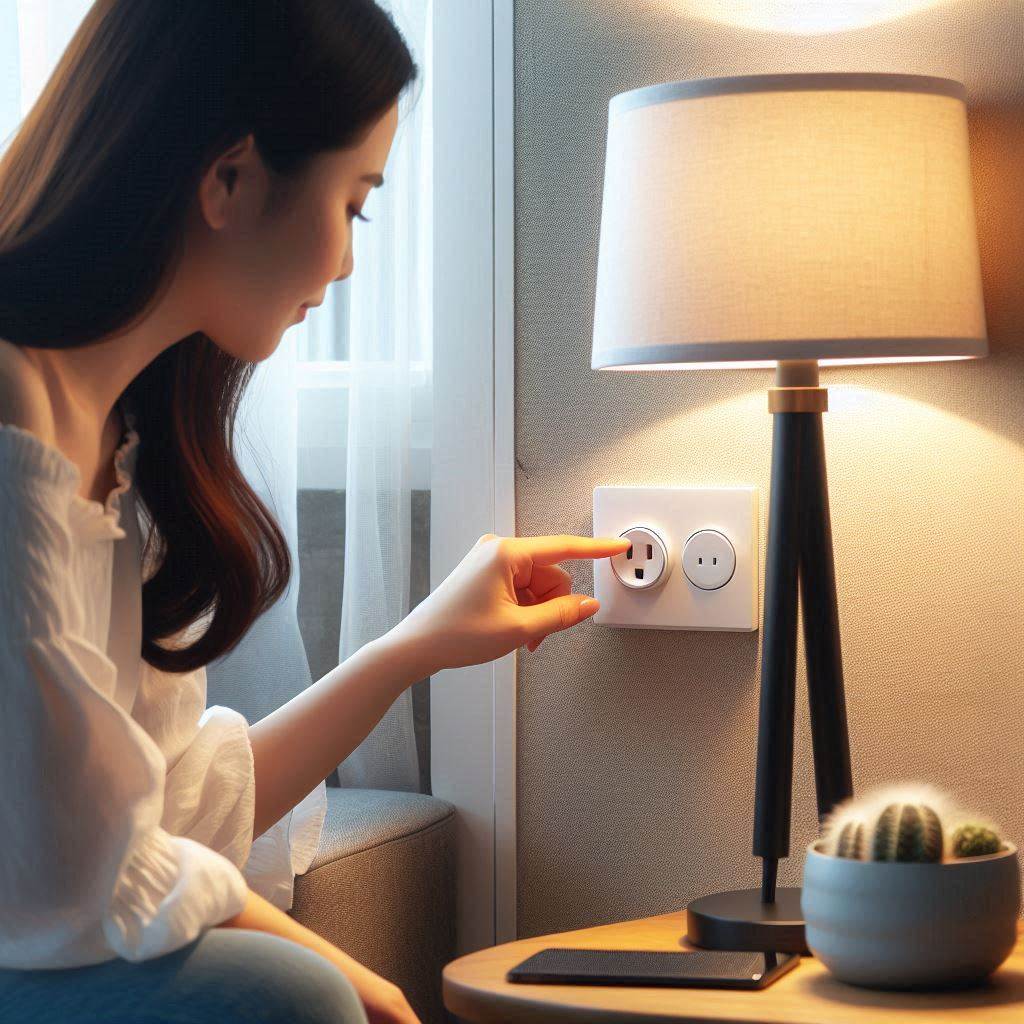
- Smart Plugs: For devices that aren’t smart-enabled, smart plugs offer an easy way to add automation capabilities. Simply plug your lamp or appliance into a smart plug, and you can control it alongside your other smart devices.
- Motion Sensors: Motion sensors can detect movement and automatically turn lights on or off, providing both convenience and security. These can be particularly useful for outdoor lighting or hallways.
- Voice Control: Integrating your smart lighting with voice assistants like Amazon Alexa, Google Assistant, or Apple HomeKit allows for hands-free control of your lights, enhancing convenience and accessibility.
Practical Examples and Tips
- Start Small: Begin with automating a single room or fixture to get familiar with smart lighting technologies and how they integrate with your existing devices. This approach minimizes initial investment and risk.
- Explore Open Source Platforms: Platforms like Home Assistant offer a flexible, open-source alternative to proprietary smart home systems, allowing you to mix and match devices from different manufacturers and customize your smart home setup to fit your needs.
- Leverage Free Smartphone Apps: Many apps offer smart home functionalities without the need for additional hardware. Utilize these apps to control your smart lighting and discover new ways to automate your home.
- Consider Energy Savings: Smart bulbs are designed to consume less energy than traditional incandescent bulbs, potentially saving you money on your electricity bills over time.
DIY smart lighting provides a cost-effective entry point into the world of smart home automation, offering a range of benefits from increased convenience to potential energy savings. By starting small and scaling up as your confidence and budget allow, you can create a personalized smart lighting system tailored to your lifestyle and preferences.
The Rise of Smart Lighting: A Dive into Low-Cost Automation
In the bustling landscape of smart home technologies, smart lighting emerges as a pivotal feature, blending functionality with creativity. Imagine having the ability to adjust the ambiance of your room with a simple voice command or a tap on your smartphone. This isn’t science fiction; it’s the reality of smart lighting systems designed to adapt to your lifestyle, enhancing comfort and efficiency.
Why Choose Low-Cost Smart Lighting?
With the market flooded with high-end smart lighting options, it’s easy to overlook the value of affordable alternatives. However, low-cost smart lighting offers a compelling mix of benefits, including ease of installation, versatility, and the potential for significant energy savings. These systems don’t compromise on quality or functionality; instead, they provide a cost-effective way to embrace the smart home revolution.
Key Features of Low-Cost Smart Lighting
Energy Efficiency
One of the standout features of low-cost smart lighting is its energy efficiency. By allowing users to control when and how lights are used, these systems can reduce electricity consumption by up to 30%. For example, setting lights to turn off automatically after a certain time or dimming them during daylight hours are simple yet effective strategies to save energy.
Versatility and Compatibility
Another strength of low-cost smart lighting lies in its versatility and compatibility. Most systems are designed to work with various smart home platforms, ensuring a seamless integration with other devices. Whether you’re looking to create a mood with warm white LEDs or need bright, full-spectrum light for reading, there’s a solution available that fits both your budget and preferences.
User-Friendly Control
Control is at the heart of what makes smart lighting smart. With apps and voice assistants, adjusting your lighting has never been easier. From scheduling lights to change color for special occasions to remotely turning off lights when leaving the house, these features offer convenience and peace of mind.
Practical Examples and Tips
To illustrate the practicality of low-cost smart lighting, consider a scenario: You’ve just arrived home after a long day. As you step through the door, your smart lighting system detects movement and gradually increases the brightness, welcoming you home. Meanwhile, your energy-saving mode kicks in, ensuring that your lighting remains efficient throughout the evening.
Implementing such a system doesn’t require breaking the bank. Many affordable options are available, from LED bulbs compatible with smart plugs to fully integrated smart lighting kits. By starting small and expanding as needed, you can transform your space without overwhelming your budget.
Low-cost smart lighting represents a gateway to a smarter, more efficient home. It’s not just about saving money; it’s about enhancing your life with technology that adapts to your needs. Whether you’re a tech enthusiast or simply looking for ways to make your home more comfortable and eco-friendly, exploring low-cost smart lighting solutions is a step in the right direction.
Transforming Spaces with Smart Lighting
The Power of Personalization
Smart lighting systems have revolutionized the way we interact with our homes, offering a level of personalization that was once unimaginable. Imagine having the ability to adjust the mood of your living room with just a voice command or watching your lights automatically adapt to your daily routine. These systems allow you to create the perfect ambiance for every occasion, whether you’re seeking a warm glow for a cozy evening, bright light for focused study sessions, or something more dynamic for lively gatherings.
How It Works: A Closer Look
At its core, smart lighting automation involves connecting traditional light fixtures to a central control system, often via Wi-Fi or Bluetooth. This setup enables users to control their lights remotely through apps or voice assistants, adjusting brightness, color temperature, and even scheduling them to turn on or off at specific times. For instance, during winter months, you could program your lights to simulate sunrise, gradually increasing the light intensity to help you wake up naturally without feeling groggy.
Practical Examples and Benefits
Let’s delve into a few practical examples to understand the benefits better:
- Mood-Based Control: Say goodbye to fumbling around in the dark to find the right switch. With smart lighting, you can easily change the mood of a room with a single tap on your smartphone or a voice command. “Hey Siri, dim the lights for movie night,” and voilà, your room transforms into the perfect cinema setting.
- Energy Efficiency: Smart bulbs are designed to be energy-efficient, consuming less power than traditional incandescent bulbs. By automating your lights, you can ensure they’re only on when needed, potentially saving significant amounts on your electricity bills over time.
- Safety and Security: Automated lighting can enhance the security of your home. Setting your lights to turn on randomly throughout the day can deter potential intruders, while ensuring your home is well-lit when you arrive back from work or travel.
Getting Started with Smart Lighting
For those new to smart lighting, starting small is key. Consider upgrading one room or fixture first, such as a bedside lamp or kitchen overhead light. This approach allows you to get comfortable with the technology and its benefits before expanding your smart lighting network throughout the house.
Smart lighting automation offers a blend of convenience, personalization, and efficiency that traditional lighting systems cannot match. Whether you’re looking to enhance your daily life or simply want to explore the latest in home technology, incorporating smart lighting solutions into your home can be both rewarding and enlightening.
The Financial Incentives of Smart Lighting
Smart lighting systems have revolutionized home and office environments, offering a blend of convenience and efficiency that traditional lighting setups cannot match. But beyond the allure of customizable ambiance and remote control, there’s a compelling economic argument for embracing smart lighting technology. Let’s delve into the financial incentives that make smart lighting a wise investment.
Energy Savings: The Core Benefit
At the heart of smart lighting’s financial appeal lies its ability to significantly reduce energy consumption. Traditional bulbs burn through power regardless of whether they’re illuminating a room or left on standby. In contrast, smart lights can be programmed to turn off automatically when not in use, adjusting brightness levels according to ambient light or occupancy. For instance, a smart bulb might dim itself when sunlight fills a room or switch off entirely when no one is present. These adjustments lead to substantial energy savings over time.
Quantifying the Savings
To put these savings into perspective, consider a typical household with 50 LED bulbs, each consuming around 10 watts. If just 20% of these bulbs were replaced with smart LEDs, the annual energy savings could amount to hundreds of dollars, depending on local electricity rates. Over several years, the cumulative savings would further increase, making the initial investment in smart lighting a financially prudent decision.
Reduced Electricity Bills
The direct impact of smart lighting on reducing electricity bills is a tangible benefit that many homeowners and businesses experience almost immediately after installation. By optimizing light usage, smart systems help minimize the overall electricity consumption, leading to lower monthly expenses. This reduction is not just a theoretical concept but a real-world outcome reported by users across various studies and surveys.
Case Study: Office Lighting Efficiency
An office environment presents a prime example of how smart lighting can slash costs. A study found that implementing smart lighting controls in an office setting could reduce energy consumption by up to 30%. This reduction translates directly into lower utility bills, freeing up funds that can be reinvested into other operational areas or passed on to employees as savings.
Environmental Impact
Beyond the financial benefits, smart lighting also contributes to a smaller carbon footprint. By using less energy, smart lighting systems help reduce greenhouse gas emissions associated with electricity production. This aspect aligns with growing concerns over climate change, making smart lighting not just a savvy choice but also a socially responsible one.
The Role of Government Incentives
Governments worldwide recognize the value of promoting energy-efficient technologies. Many offer tax credits, rebates, or other incentives for installing smart lighting systems. These programs further enhance the financial attractiveness of smart lighting, making it an even more compelling option for individuals and businesses looking to save money and contribute to sustainability efforts.
The financial incentives of smart lighting extend far beyond the initial purchase price. Through energy savings, reduced electricity bills, and environmental benefits, smart lighting offers a triple win for consumers, businesses, and the planet. As we continue to seek ways to optimize our living and working spaces, the adoption of smart lighting stands out as a practical, economical, and sustainable solution.
Enhancing Home Security with Smart Lighting
Smart lighting isn’t just about convenience; it’s also a powerful tool in enhancing your home’s security. By leveraging technology, you can turn your lighting system into a proactive guardian, deterring potential intruders and ensuring your property remains safe.
The Role of Motion Sensors
Motion sensors are the unsung heroes of smart lighting systems. They work silently, detecting movement in areas where they’re installed. When triggered, these sensors can activate lights, making it seem like someone is home, even when you’re not. This simple action can be a strong deterrent against would-be burglars.
Example: Installing Motion Sensors
Imagine installing motion sensors in key areas around your home, such as near windows or doors. If someone approaches, the lights will automatically turn on, revealing their presence. This immediate response can scare off intruders before they even attempt to break in.
Programmable Timers for Simulated Occupancy
Programmable timers take smart lighting a step further. These devices allow you to schedule lights to come on at specific times, creating the illusion that someone is moving around the house. This simulated occupancy can be particularly effective when you’re away from home for extended periods.
How It Works: Setting Up Timers
Setting up programmable timers is straightforward. You decide which lights to control and when you want them to turn on. For instance, you might set a timer to activate lights in the living room and kitchen every evening at 7 PM, mimicking the routine of someone being home. This consistency can make your home less attractive to thieves.
Combining Motion Sensors and Timers
The real power of smart lighting lies in combining motion sensors with programmable timers. This dual approach ensures that your home is well-lit during unoccupied hours and responds instantly to unexpected movements.
Strategy: Maximizing Security
By strategically placing motion sensors and setting up timers, you create a layered defense. Lights come on unexpectedly, and there’s always the chance of detection if someone does manage to enter undetected. This combination makes your home a less appealing target for criminals.
Smart lighting is more than just a way to save energy or set the mood. It’s a crucial part of a robust home security plan. With motion sensors and programmable timers, you can make your home safer and more secure, deterring intruders and protecting what matters most.
Simplifying Smart Home Integration: The Role of Compatible Smart Lighting
In the quest to transform our living spaces into smart homes, one of the critical components is ensuring that all elements work together seamlessly. At the heart of this endeavor lies the smart lighting system, which, when integrated with other smart devices, can significantly enhance the functionality and convenience of your home. This section delves into the intricacies of making smart lighting systems play nicely with the rest of your smart home setup, highlighting the pivotal role of compatibility in crafting a harmonious smart ecosystem.
Why Compatibility Matters
Compatibility is the unsung hero in the world of smart home automation. Imagine walking into a room and having your lights dim automatically because your smart speaker detected your arrival, thanks to a shared network connection. Or perhaps your security camera triggers your outdoor lights to turn on when it senses movement outside. These scenarios become possible through devices that communicate effectively with each other, adhering to common standards and protocols.
Finding the Right Fit: Choosing Compatible Devices
When embarking on your smart home journey, selecting devices that speak the same language is crucial. Look for smart bulbs, switches, and sensors that support popular connectivity standards such as Zigbee, Z-Wave, or Wi-Fi Direct. Brands like Philips Hue, LIFX, and Ring offer products that are known for their interoperability, making them excellent choices for building a versatile smart lighting system.
Example: Setting Up a Basic Smart Lighting System
Let’s say you want to set up a basic smart lighting system that includes both indoor and outdoor lights controlled via a single app. Here’s a simple guide:
- Choose Your Hub: Start with a smart hub like Amazon Echo or Google Home, which serve as the central command center for your smart devices.
- Select Bulbs: Opt for LED smart bulbs from brands that are compatible with your chosen hub. For instance, Philips Hue bulbs are widely recognized for their quality and compatibility.
- Install Your Bulbs: Follow the manufacturer’s instructions to install your smart bulbs throughout your home.
- Set Up Control Points: Use smart plugs or wall-mounted smart switches to control your lights without directly interacting with the bulbs themselves.
- Integrate with Other Devices: Ensure your smart lighting system can communicate with other smart devices in your home, such as motion sensors or voice assistants, to create automated routines.
By focusing on devices that are designed to work together, you can create a smart lighting system that not only illuminates your space but also enhances your overall smart home experience.
In the grand scheme of smart home automation, the integration of smart lighting stands out as a cornerstone. By prioritizing compatibility among your smart devices, you unlock a world of possibilities where every aspect of your home can be tailored to your preferences and needs. Whether it’s setting the mood with color-changing bulbs or ensuring safety with motion-activated lights, the right smart lighting system becomes the linchpin of a truly connected home.
The Dawn of Smart Lighting: A Guide to Affordable Automation
As we edge closer to a time when smart lighting isn’t merely a high-end amenity but a staple in everyday living spaces, it becomes imperative to grasp the myriad benefits it brings. From enhancing our daily routines to offering unparalleled convenience and energy savings, the allure of automated lighting systems is undeniable. This section delves into the transformative power of affordable smart lighting solutions, showcasing how they can revolutionize your home environment without breaking the bank.
The Benefits of Smart Lighting
Efficiency and Savings
Smart lighting systems are designed to optimize energy use, adjusting brightness levels according to natural light availability and occupancy. For instance, lights can automatically dim during daylight hours or turn off when no one is present, significantly reducing electricity costs. Imagine paying less for your utility bills while enjoying a well-lit space—smart lighting makes this possible.
Personalization at Your Fingertips
With smart lighting, customization is key. Whether you prefer warm hues for relaxation or cool tones for concentration, smart bulbs allow you to adjust the color temperature and brightness remotely via smartphone apps. Picture this: waking up to soft morning light or winding down to a cozy ambiance at night, all from the comfort of your bed.
How It Works: A Closer Look
Setting Up Your Smart Lighting System
Getting started with smart lighting is easier than ever, thanks to a variety of affordable options available today. LED smart bulbs, smart plugs, and wireless switches are among the most accessible entry points. These devices connect seamlessly to your Wi-Fi network, allowing you to control them through voice commands or mobile apps.
Example Setup
- Choose Your Devices: Start by selecting compatible smart bulbs and switches. Brands like Philips Hue offer a wide range of products suitable for beginners.
- Installation: Most smart bulbs screw directly into existing fixtures, making installation hassle-free. Some smart plugs require plugging your regular bulbs into them.
- Pair with Your App: Download the manufacturer’s app and follow the instructions to pair your devices. Once connected, you’ll have full control over your lighting setup.
Making the Most of Your Smart Lighting
Beyond Basic Functionality
While controlling your lights remotely is impressive, the real magic lies in exploring advanced features. Many smart lighting systems integrate with other smart home devices, enabling automation sequences. For example, setting your lights to dim gradually upon waking or brighten slowly before bed can enhance your sleep quality and wake-up routine.
Security and Convenience
Smart lighting also plays a crucial role in home security. Motion-sensor lights can act as a deterrent against intruders, while timers can give the impression that someone is home, even when you’re away. The convenience of automating these aspects adds another layer of safety and peace of mind.
Embracing smart lighting is not just about upgrading your home; it’s about unlocking a world of possibilities that blend convenience, efficiency, and personalization. As we move towards a future where smart technology is commonplace, the importance of affordable, accessible smart lighting solutions cannot be overstated. By choosing to automate your lighting, you’re taking a step towards a smarter, more comfortable, and energy-efficient lifestyle.